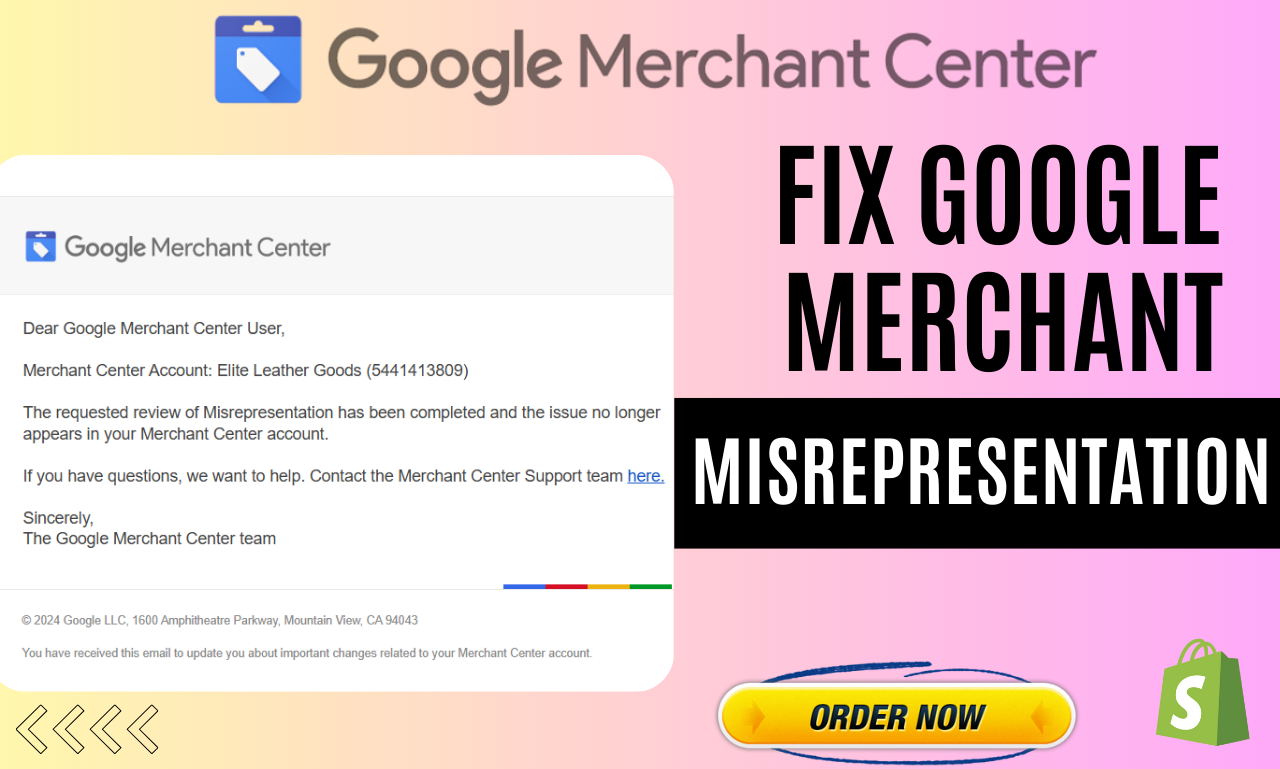
I want to be very clear from the first line: this page is not written to impress marketers. It is written to stand in front of Google — its reviewers, its systems, and its trust framework — and say this person knows exactly what he is doing.
My name is Syed Saadullah, also known as WPSyed across Google, YouTube, Facebook, and professional WordPress communities. For more than seven years, my work has revolved around WordPress, Google Ads, Google Shopping, and Google Merchant Center — not in theory, but through daily exposure to real businesses, real suspensions, and real consequences.
If you are here because your Merchant Center account is suspended, I already understand your mindset. Confusion. Frustration. And the feeling that Google is not telling you the full truth. I have been inside this system long enough to know how it actually works.
How My Work With Merchant Center Actually Started
I did not wake up one day and decide to become a “Merchant Center expert.” This specialization came naturally — through failure, repetition, and pattern recognition.
As a WordPress developer and Google Ads specialist, I worked with multiple eCommerce stores, especially in the UK furniture niche, where Google Shopping is highly competitive and heavily regulated. Over time, suspensions started appearing — often under vague labels like Misrepresentation or Website Needs Improvement.
At first, like most people, I trusted Google’s surface-level explanations. I added policies. I rewrote pages. I appealed.
And the accounts were rejected again.
That is where most people stop. That is where I went deeper.
What Google Merchant Center Really Evaluates (Beyond Policies)
Here is a truth most guides will never tell you:
Google Merchant Center does not evaluate your website as a “store.” It evaluates it as a business entity.
That means Google is constantly asking questions like:
- Does this business look real?
- Is it accountable?
- Would a customer know exactly who to contact if something goes wrong?
- Is anything being hidden, delayed, or softened?
Misrepresentation is rarely about a single missing page. It is about overall credibility mismatch.
Once I understood this, my entire approach changed.
My Method: Fixing the Business First, Then the Account
Every Merchant Center recovery I handle follows the same principle: do not patch — rebuild trust.
When I audit a suspended store, I look at it the same way a Google reviewer would:
I check whether the business identity is instantly clear without scrolling. I check whether contact information is visible, clickable, and consistent. I verify whether shipping timelines feel realistic or exaggerated. I test the cart, checkout, and product images like a real buyer.
Most importantly, I look for contradictions — because contradictions are what trigger distrust.
This is why copying policy templates never works long term.
Misrepresentation: Why It Keeps Coming Back
Misrepresentation suspensions are not random, and they are not temporary flags.
They happen when Google detects:
- Inconsistent business information
- Over-promising shipping or returns
- UX patterns that feel evasive
- New businesses pretending to look old
- Dropshipping setups that hide responsibility
I have personally handled cases where:
- Accounts were rejected 3–4 times
- Businesses were newly registered LTDs
- Store owners were told recovery was “impossible”
Those accounts were reinstated only after structural corrections, not rewritten appeals.
Why My WordPress Background Is Not Optional Here
Most Merchant Center consultants never touch the website beyond surface checks. That is a critical weakness.
With seven years of WordPress experience, I work directly at the theme and layout level:
I fix broken UX flows. I correct image interaction issues that reviewers notice immediately. I remove deceptive UI patterns unintentionally created by themes or builders. I ensure the checkout experience feels transparent and boring — which is exactly what Google wants.
Google does not reward creativity here. It rewards predictability and clarity.
I Apply These Rules to My Own Businesses
This is not client-only advice.
I operate my own eCommerce and content-based businesses, including UK-registered brands, where every policy, every footer detail, and every checkout step is built with Merchant Center compliance in mind.
If something fails for my own store, I document it, fix it, and apply the lesson forward.
That feedback loop is what makes my work reliable.
SEO, Merchant Center, and Long-Term Trust
Unsuspension without stability is meaningless.
My goal is not to get accounts approved for two weeks. My goal is to make them boring to Google — because boring accounts do not get reviewed again.
That is why my work always aligns:
- Website structure
- Merchant Center data
- Google Business Profile
- Organic SEO signals
This article itself is part of that alignment. It is meant to exist as a trust reference, not a sales page.
Who I Work With (And Who I Don’t)
I work with business owners who:
- Are operating real businesses
- Want long-term stability
- Are willing to fix root problems
I do not work with shortcuts, fake identities, or policy manipulation. Those accounts always collapse — and they damage everything connected to them.
Final Accountability Statement
If your Google Merchant Center account is suspended, the problem is solvable only if the business itself is solid.
My role is not to argue with Google. My role is to make sure Google has no reason left to doubt you.
This page exists as a permanent, public record of how I work, what I stand for, and what I am willing to put my name behind.
Below this section, I will attach real proofs, real timelines, and real outcomes — because trust is not claimed. It is demonstrated.
Syed Saadullah (WPSyed)
Google Merchant Center Unsuspension Specialist
WordPress & Google Shopping Ads Expert